
05/12/2026 10:25:42
Typically, when equipment experiences sudden vibrations, high temperatures, or reduced power, the familiar solution is to inspect the internal components of the machine. However, each machine shutdown incurs enormous costs: interrupted windings, extended maintenance time, and the risk of further malfunctions after high speeds.
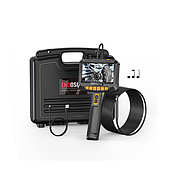
Engine inspection cameras are becoming increasingly common in automotive repair garages and maintenance centers. Instead of disassembling the engine from the beginning, technicians can directly inspect combustion chambers, cylinders, and narrow internal spaces to identify abnormal signs early and plan appropriate maintenance or repair solutions.
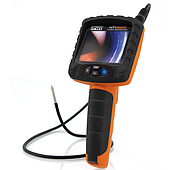
These problems are often not caused by the camera itself, but by less-discussed technical factors such as light reflection, viewing angle limitations, push cable stiffness, and changing conditions inside the pipeline.
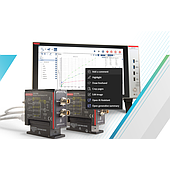
As semiconductor technology shrinks, performance control alone is no longer enough. Manufacturers now need to closely monitor component lifespan and stability from the wafer development stage, because even a small change in material or transistor structure can significantly alter the component's behavior over time
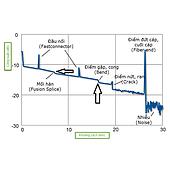
Technicians often view an OTDR fiber optic tester as a device used mainly to locate fiber breaks. Testing is usually performed only after the link loses signal completely or optical loss increases significantly. However, with the rapid growth of FTTH, XGS-PON, and high-speed data centers, many optical networks now experience performance issues even though the OTDR trace does not show any obvious fault.
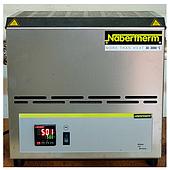
For many years, when selecting a laboratory furnace or heat-treatment furnace, users mainly focused on maximum temperature capability. However, another trend is now emerging in thermal processing technology: rapid heating furnaces. These systems are specifically designed for extremely fast temperature ramping, significantly reducing both heating time and overall firing cycles.
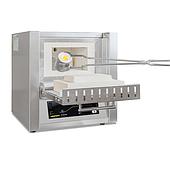
Temperature deviations do not always occur because the target temperature is incorrect. In many cases, the real issue is that the heating rate is incompatible with the thermal characteristics of the material inside the furnace chamber.
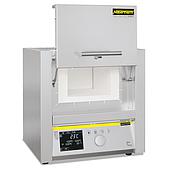
Burned-out heating elements are a common issue in laboratory furnaces, heat-treatment workshops, and high-temperature material processing lines. In many cases, the root cause is not simply the temperature setting itself, but the way heat is distributed inside the furnace chamber.
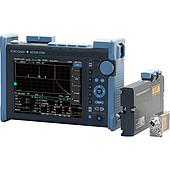
Fiber access networks, data centers, and high-speed transmission systems now operate almost continuously with extremely tight stability requirements. Even a small increase in optical loss can create intermittent instability long before a complete signal failure occurs, making the problem difficult to detect with conventional testing methods.
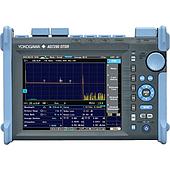
During fiber optic installation and troubleshooting, technicians sometimes encounter a strange situation: the OTDR displays a massive reflection spike indicating a cable break or severe fault, yet when they inspect the reported location, the fiber is completely intact. In some cases, the indicated fault even appears beyond the physical length of the cable itself.
Get exclusive volume discounts, bulk pricing updates, and new product alerts delivered directly to your inbox.
By subscribing, you agree to our Terms of Service and Privacy Policy.