
Electrical and electronic
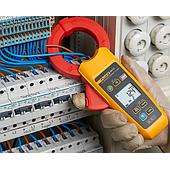
In modern industrial electrical panels, RCCBs or ELCBs are increasingly tripping unexpectedly even when the system appears to be operating normally. In many cases, the issue persists despite using a leakage current clamp meter, performing insulation resistance tests, and even replacing the residual current circuit breaker itself.
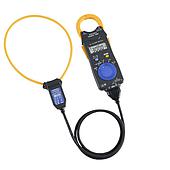
When choosing a clamp meter, most users tend to focus on the measurement range, CAT safety rating, or brand reputation. However, one of the most critical factors affecting measurement quality actually lies in the design of the clamp jaw itself.
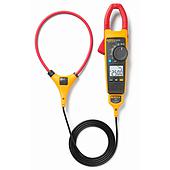
A CAT IV clamp meter does not guarantee absolute safety if the environment contains high transient voltage spikes or if the measurement procedure is not performed correctly. In many cases, the real danger is not the voltage displayed on the screen, but extremely short voltage surges capable of generating arc flash and destroying the instrument within microseconds.
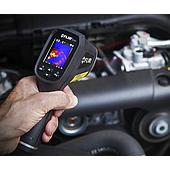
In real industrial operations, owning an expensive infrared thermometer does not automatically guarantee accurate readings. Measurement errors rarely stem from sensor quality; instead, they often arise from a mismatch between the device and the physical properties of the surface being measured. Engineers need to look beyond the basics and understand the underlying barriers related to wavelength and optics—factors that are rarely addressed in general documentation.
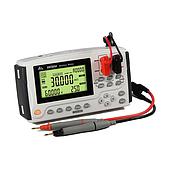
In backup power systems (UPS), telecommunications, solar energy, or automotive starting systems, 12V batteries are widely used. However, a common mistake among users and even technicians is relying solely on voltage (V) while ignoring the key factor that truly determines discharge capability—the internal resistance.
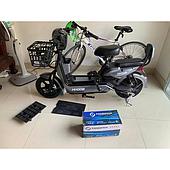
Choosing and maintaining batteries for electric bikes plays a crucial role in determining both durability and travel range. Today’s market offers a wide variety of battery technologies—from traditional lead-acid batteries to modern lithium-based solutions.
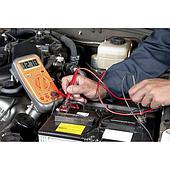
In the transition toward green energy, electric motorbikes are becoming increasingly popular in Vietnam. However, their battery packs tend to degrade or lose capacity over time, leading to inconvenience and even potential safety risks such as overheating or fire hazards.
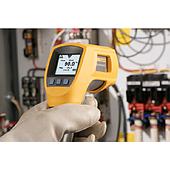
Measuring temperature is not simply about reading a number it is about analyzing an entire thermodynamic system in motion. In practice, even a perfectly calibrated thermometer can produce inaccurate readings if the operator overlooks key thermodynamic variables.
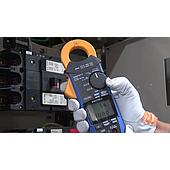
Currently, unstable ammeter readings or fluctuating value display are common problems encountered by many users. Many users mistakenly believe the device is faulty and needs replacement, but the actual cause often lies in the specific current or measurement conditions. Understanding the underlying issues will help avoid inaccuracies in system evaluation and ensure the selection of the appropriate measuring equipment.

Measuring wind flow isn't difficult, but arriving at a usable number is another matter entirely. Many people encounter situations where, when measuring the same location multiple times, they get significantly different values.
Get exclusive volume discounts, bulk pricing updates, and new product alerts delivered directly to your inbox.
By subscribing, you agree to our Terms of Service and Privacy Policy.